Why Tibetan singing bowls are considered sacred
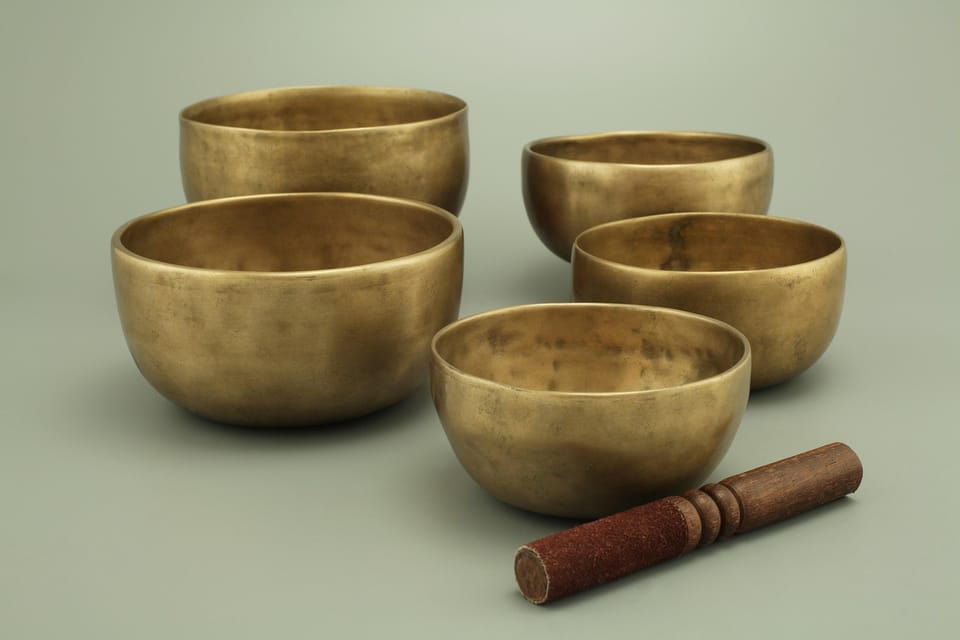
Tibetan singing bowls are often described as sacred not because of decoration or ritual alone, but because of the way they are used and the intention they carry. Their significance comes from centuries of mindful practice, where sound was treated as a bridge between the outer world and inner awareness. In this context, sound was not entertainment, but a means of attuning the body and mind to stillness.
Traditionally, these bowls were used in spiritual and contemplative settings, particularly in Himalayan regions, to support meditation, prayer, and healing practices. The sustained tones they produce encourage presence and attentiveness, drawing awareness away from distraction and toward direct experience. Over time, this consistent association with inner work gave the bowls their sacred quality.
The materials themselves also contribute to this perception, singing bowls are traditionally made from special metal alloys, each chosen for its resonance. When struck or played, the bowl does not produce a single note, but a layered field of vibration and this complexity invites listening on more than one level, engaging the body as well as the mind.
What makes Tibetan singing bowls sacred is not something that can be proven or measured, it is the way they invite reverence, listening, and care. When approached with respect and intention, they create a space where stillness becomes accessible and connection feels natural. In this sense, their sacredness lies not in the object itself, but in the quality of presence they help awaken.