
How to take home the experience
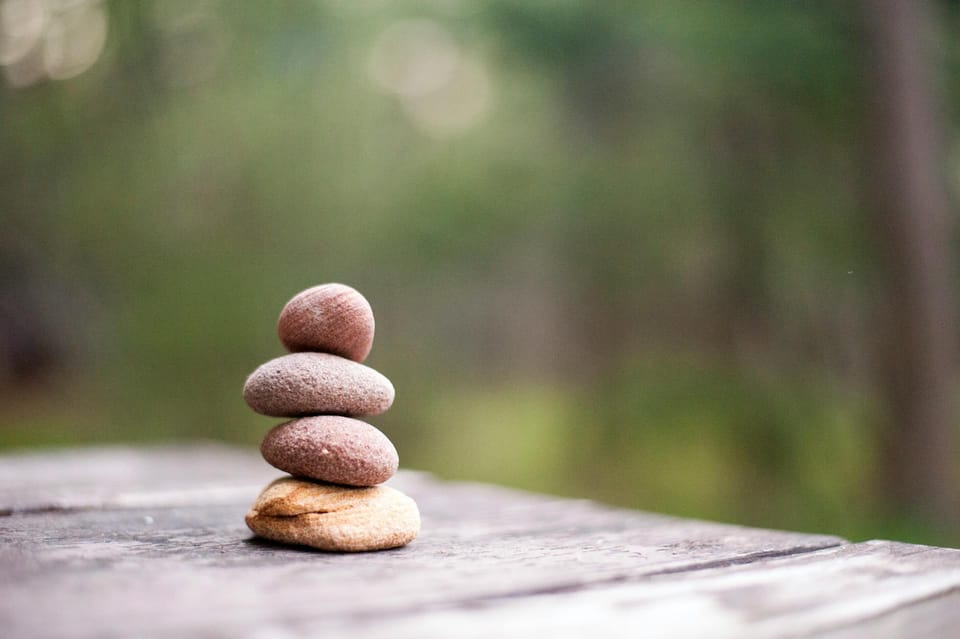
Rest is often treated as something that happens only when everything else is done. It becomes a reward, postponed until the end of the day, the end of the week, or the end of a demanding period. In this way, rest is easily overlooked or reduced to brief moments that do not fully allow the body or mind to recover.
A ritual of rest is different from simply taking a break, it is a deliberate pause, given shape through repetition and intention. When rest becomes ritual, it no longer depends on exhaustion or permission, it becomes a regular point of return, a familiar space where the nervous system learns that it is safe to soften.
Creating such a ritual does not require much time or complexity, it may be as simple as sitting quietly for a few minutes each day, listening to gentle sounds, or consciously slowing the breath. What matters is not the activity itself, but the consistency and the quality of attention it receives. Over time, the body begins to recognise the ritual and responds more easily.
Sound can be a powerful anchor in this process, a single tone, a familiar piece of music, or the resonance of a singing bowl can signal the transition from doing to being. These cues help mark the boundary between the outer demands of the day and an inner space of rest.
When rest is approached as a ritual rather than an interruption, it becomes integrated into daily life. It supports balance not by escaping responsibility, but by restoring the capacity to meet it. In this way, small, intentional moments of rest can quietly reshape how we move through our days, with greater presence, resilience, and ease.